

Star Teams vs. Star Performers: Why the Future of Leadership Is Changing — Insights from Gaurav Sharma
In today’s fast-changing world of work, leadership expectations are evolving. Traditional models that reward star individual performers are giving way to a new philosophy — building star teams.
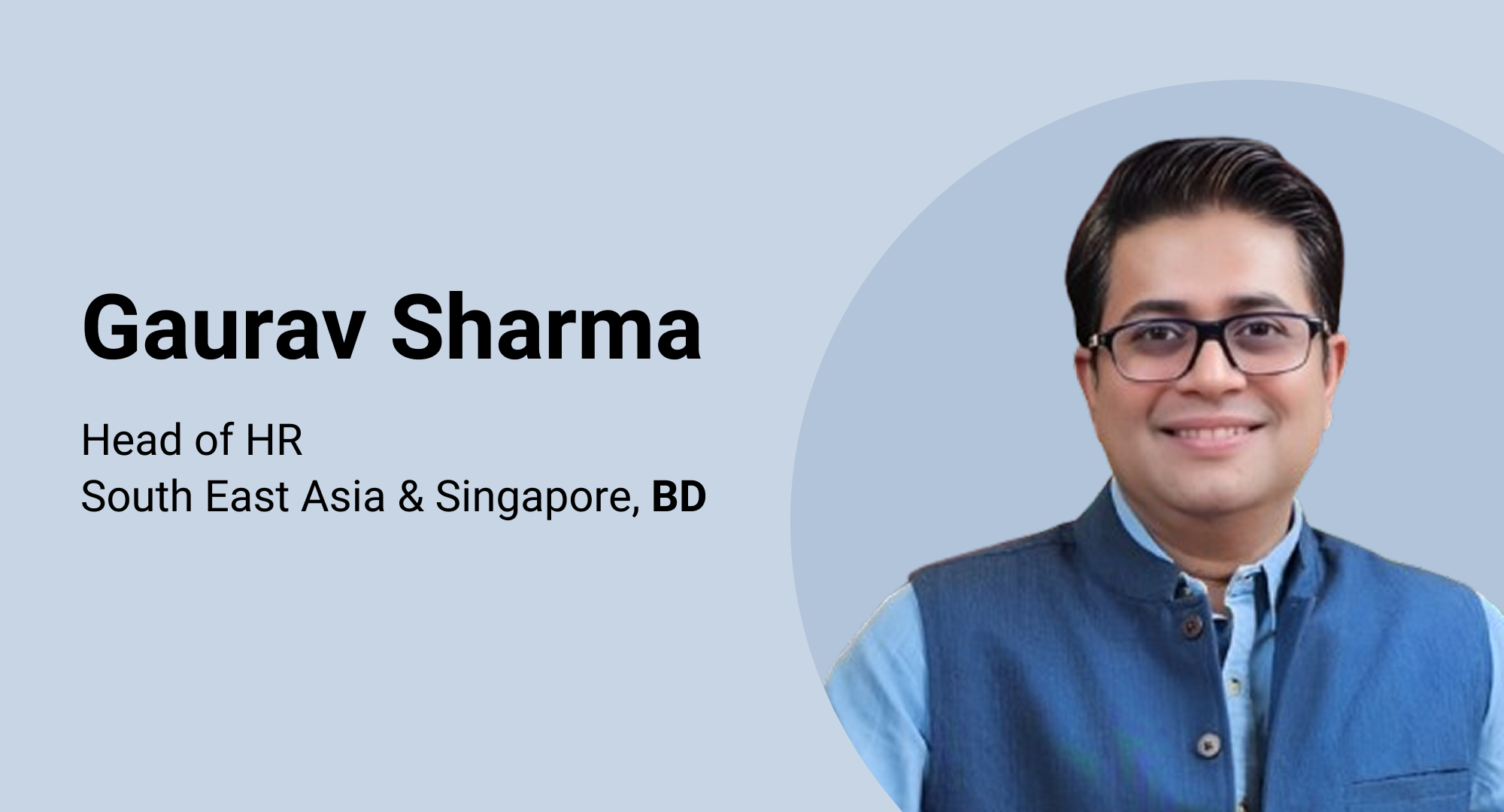
This shift in leadership thinking is the focus of a powerful discussion in the latest episode of Rolling Stories, where hosts Adrian Tan and Manu Ketan speak with Gaurav Sharma, Head of HR (South East Asia & Singapore) at BD, and former HR leader at PepsiCo and Coca-Cola.
With over two decades of global HR experience, Gaurav brings a transformative point of view:
Future-ready organizations won’t win because of a handful of exceptional individuals — they will win because their teams perform as one.
Why Organizations Need Star Teams — Not Just Star Performers
For decades, performance systems, hiring frameworks, and leadership philosophy focused heavily on identifying individual high performers. But as Gaurav explains, this mindset can unintentionally create silos, overdependence, internal competition, and weak collaboration.
Instead, organizations now need:
- Complementary skills rather than identical strengths
- Diverse talent that challenges thinking, not mirrors it
- Shared accountability instead of individual heroics
- Collaboration over competition
Drawing parallels from sports, Gaurav notes:
“A winning football team isn’t made of 11 star strikers — it’s built on role clarity, trust, and complementary strengths.”
R7 Framework: Developing Talent for High-Performing Teams
During the conversation, Gaurav also discusses the R7 Framework, a structured approach to talent development that helps leaders:
- Identify potential
- Develop skills internally
- Retain high performers
- Release or redeploy talent when needed
The R7 pillars include:
- Recruit
- Retain
- Redevelop
- Redeploy
- Rate
- Release
- Rehire
This framework encourages leaders to continuously elevate performance rather than rely on star players alone.
The Changing Role of Modern Leaders
Leadership today is no longer about being the smartest person in the room. It’s about creating the environment where teams can thrive.
One of his boldest statements:
“Job descriptions may be outdated — in dynamic organisations, people should be accountable to business priorities, not paragraphs of tasks.”
What Does the Future Leader Look Like?
According to Gaurav, tomorrow’s successful leaders will demonstrate:
- Humility to say “I don’t know.”
- Courage to rethink, unlearn, and course-correct.
- Ability to align hearts first — not just minds.
- Agility to operate in uncertainty.
- A strong belief in shared success — not individual stardom.
Key Takeaways from the Episode
- Star teams outperform star individuals — sustainably.
- Role clarity matters more than job description templates.
- Culture + capability + collaboration = high performance.
- Leaders must shift from authority to advocacy.
- Talent strategy should be dynamic, not static.
👇 Watch the full episode to explore the future of leadership and organisational performance.
If you found value in this conversation, don’t forget to like, subscribe, and share.
Recent Podcast

June 24, 2025
About Rolling Arrays
Rolling Arrays has been driving SAP SuccessFactors-led HR Transformation since 2009. The company specialises in SF consulting, implementation, and support and also builds applications to enhance the utility of the SuccessFactors platform. It is committed to designing systems that help its customers to attract, develop and retain talented individuals. In 2021, Rolling Arrays was recognized as one of the top 75 fastest-growing companies in Singapore by The Straits Times & Statista.