Table of Contents
- What Is HR Technology Release Management?
- Why Do HCM Software Updates Require a Structured Process?
- How Should Organisations Prepare for Vendor Updates?
- What Should HR System Release Testing Cover?
- What Should SAP SuccessFactors Release Management Include?
- How Does HR Technology Change Management Improve Release Adoption?
- How Should Organisations Manage HR Application Maintenance Alongside Releases?
- How Can Organisations Measure Release Management Effectiveness?
- Frequently Asked Questions
Resources > Blog > HR Technology Release Management: How to Prepare for Vendor Updates and Maximise Value
HR Technology Release Management: How to Prepare for Vendor Updates and Maximise Value
November 20, 2026
What Is HR Technology Release Management?
It connects technical updates with business priorities. Rather than treating every release as a routine IT activity, organisations evaluate which changes matter, what risks they introduce and how teams should prepare.
Effective release management covers several activities:
- Reviewing vendor release information.
- Identifying changes relevant to existing HR processes.
- Assessing integrations, configurations and reporting.
- Planning HR system release testing.
- Coordinating business approvals and deployment decisions.
- Communicating changes and supporting users after release.
The objective is not simply to install updates. It is to maintain system reliability while capturing improvements that support business operations.
Why Do HCM Software Updates Require a Structured Process?
For example, an update to a business process may affect approval routing. A change to reporting functionality may alter how HR teams retrieve information. An integration related change may require additional validation before data moves reliably between systems.
Organisations that review updates only from a technical perspective may overlook these operational dependencies.
A structured process helps teams identify relevant changes early, allocate testing resources appropriately and avoid unnecessary disruption. It also prevents organisations from spending the same amount of effort on every update, regardless of its business impact.
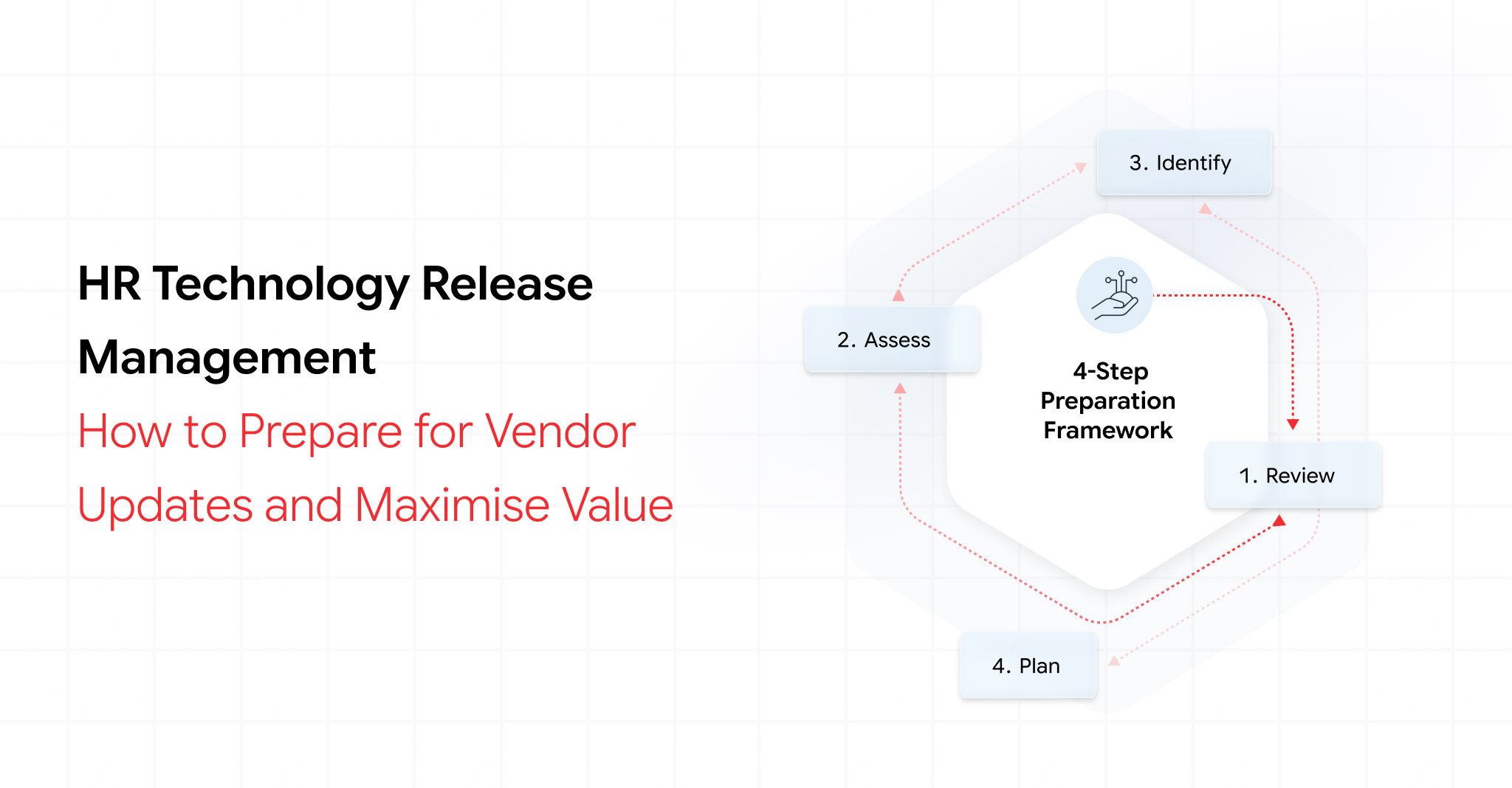
How Should Organisations Prepare for Vendor Updates?
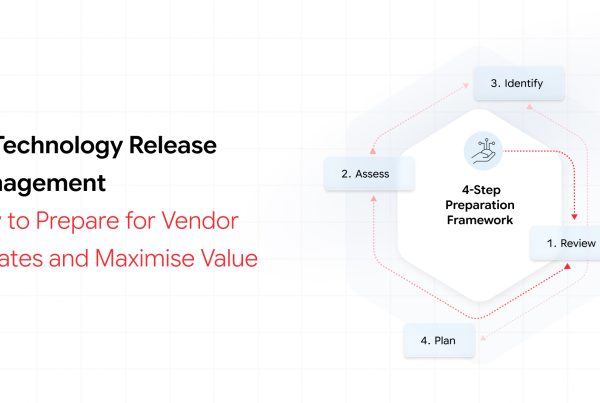
1. Review the Release Information
Start by reviewing the vendor’s release documentation, product announcements and relevant technical guidance.
Identify new capabilities, changed behaviour, retired functionality, security related changes and any actions the organisation needs to complete.
The objective is to understand what is changing and determine whether the change affects the organisation’s current configuration or future priorities.
2. Assess Business Relevance
Not every new feature deserves immediate adoption.
HR and IT teams should determine whether a change supports an existing business requirement, addresses a known problem, improves the employee experience or creates a useful new capability.
Classify changes according to their relevance and impact. Some may require immediate attention, while others can wait until the organisation has the capacity to evaluate them properly.
3. Identify Dependencies and Risks
Assess the potential effect on configured workflows, integrations, reports, permissions and downstream systems.
Involve process owners when a change affects recruitment, employee data, compensation or other important HR activities. Include payroll and Finance stakeholders when relevant interfaces or data flows may be affected.
This assessment helps teams identify the scenarios that need additional testing and the stakeholders who must approve the change.
4. Create a Release Readiness Plan
Assign an owner to each significant activity. Define testing responsibilities, approval requirements, communication needs and escalation procedures.
A release readiness plan should also identify deadlines, dependencies and the evidence required before teams accept a change.
This creates a clear record of what the organisation has reviewed, what it intends to adopt and which risks remain open.
What Should HR System Release Testing Cover?
Testing requirements depend on the vendor update, system configuration and potential business impact. Organisations should avoid testing every feature indiscriminately, but they should not overlook important dependencies.
A practical testing approach includes:
Business process testing: Confirm that relevant workflows, approvals and transactions continue to work as expected.
Integration testing: Validate affected connections between the HR platform and systems such as payroll, identity management and reporting applications.
Data validation: Check that important employee records, calculations, outputs and reports remain accurate where relevant.
Access and security testing: Verify permissions and access behaviour when an update could affect roles or security controls.
Regression testing: Recheck critical existing processes to identify unintended effects from a change.
Business acceptance: Ask the relevant process owners to review the results and confirm that the system meets operational requirements.
Document test scenarios, expected results, actual results, defects and approvals. Where teams identify a problem, they should assign ownership and confirm resolution before accepting the affected functionality.
What Should SAP SuccessFactors Release Management Include?
Teams should review the applicable release documentation and identify changes relevant to their deployed modules and configuration. They should then assess whether those changes require additional testing, configuration review, communication or business approval.
Organisations should also consider their connected SAP and non SAP applications. A change that appears limited to one module may affect a wider process through integrations, reporting or shared data.
A consistent approach should include:
- Review of applicable SAP SuccessFactors release information.
- Assessment of relevant changes and business impact.
- Validation of configured workflows and affected integrations.
- Testing of critical business scenarios.
- Coordination between HR, IT, process owners and support partners.
- Documentation of decisions, defects and approvals.
The specific activities and timelines should reflect the applicable release, vendor guidance and the organisation’s operating environment rather than an assumed universal schedule.
How Does HR Technology Change Management Improve Release Adoption?
Employees, managers and HR teams need to understand what changes, why it matters and whether they must adjust their usual activities.
HR technology change management should therefore complement release testing. Communicate meaningful changes before they affect users, update relevant guidance and provide targeted training where necessary.
For major changes, identify the user groups affected and prepare support teams to handle questions after deployment. For smaller updates, concise communication or updated guidance may be sufficient.
The level of change support should match the practical effect on users. This helps organisations avoid both inadequate communication and unnecessary training.
How Should Organisations Manage HR Application Maintenance Alongside Releases?
These activities should share a common view of system dependencies and business priorities.
For example, a recurring incident may indicate that a planned vendor change requires additional testing. An enhancement request may depend on a capability introduced in a future release. Coordinating these activities helps teams reduce duplicated work and make informed decisions about timing.
Rolling Arrays helps organisations assess HR technology capabilities, identify improvement opportunities and align technology decisions with business priorities. A structured release process can support this broader objective by connecting vendor updates with system reliability, business needs and long term value.
How Can Organisations Measure Release Management Effectiveness?
Relevant measures include:
- Percentage of planned release activities completed on schedule.
- Number and severity of release related incidents.
- Defects identified during testing and after deployment.
- Time required to assess and approve relevant changes.
- Recurring incidents linked to previously released changes.
- Adoption of selected new capabilities.
- Business benefits achieved through adopted improvements.
Interpret these measures together. A low incident count does not necessarily indicate success if teams avoid adopting useful capabilities. Similarly, high feature adoption does not prove value unless the changes improve business processes or user outcomes.
Reviewing these indicators over time helps organisations refine testing priorities, strengthen coordination and improve the value they gain from their HR technology investments.
FAQ
What is HR technology release management?
HR technology release management is the structured process of reviewing vendor updates, assessing business impact, testing relevant changes, coordinating approvals and supporting adoption.
How often should organisations review HCM software updates?
Organisations should follow the applicable vendor release schedule and review relevant updates when release information becomes available. The frequency of detailed testing and approval should depend on the update, configuration and business impact.
What should SAP SuccessFactors release management cover?
It should cover relevant release documentation, configured workflows, integrations, business process testing, stakeholder approvals and communication about changes that affect users.
Why is HR system release testing important?
Testing helps organisations identify defects and unintended changes before they affect important HR processes. It also provides evidence that affected workflows and integrations continue to operate as expected.
How does HR technology change management support releases?
It prepares employees, managers and HR teams for relevant changes through communication, updated guidance, targeted training and post release support.
How can organisations maximise value from HR application maintenance?
They should connect maintenance activities with business priorities, address recurring issues, assess useful vendor capabilities and track whether adopted improvements deliver measurable benefits.
Share with your network